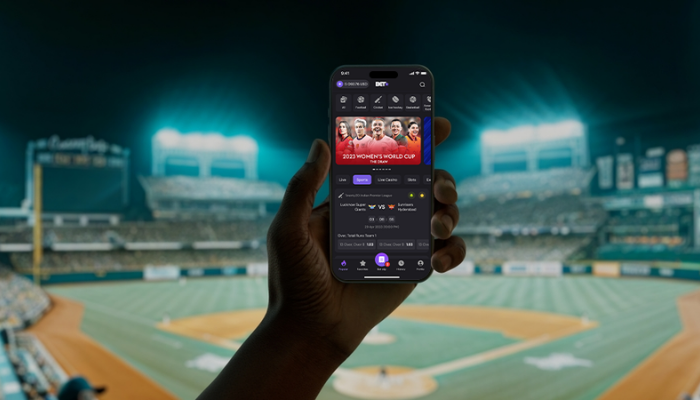

iOS eTrueSports has become an increasingly searched term among iPhone and iPad users interested in competitive gaming, esports news, tournaments, live match information, and mobile-first gaming experiences. As esports continues to move beyond traditional PCs and consoles, Apple devices are becoming an important part of the conversation. Modern iPhones offer powerful processors, high-quality displays, fast networking, and sophisticated gaming capabilities, making them well suited to competitive mobile entertainment.
However, there is an important distinction between the broader idea of iOS-based esports and claims surrounding a specific eTrueSports application or platform. Online sources describe iOS eTrueSports in several different ways, including as a mobile esports platform, a sports and esports information service, and an iOS application. At the same time, independent sources have questioned whether a clearly verified official App Store listing exists.
That uncertainty makes it especially important to understand what iOS eTrueSports is supposed to offer, how an iPhone-based esports experience can work, what features users should expect, and how to verify an application before installing it. This guide explores those questions in detail while separating general mobile esports principles from claims that still require verification.
What Is iOS eTrueSports and Why Is It Attracting Attention?
At its simplest, iOS eTrueSports refers to the intersection of eTrueSports-style competitive gaming experiences and Apple’s mobile ecosystem. Online descriptions commonly associate the concept with competitive matches, tournaments, rankings, gaming communities, live updates, and esports-related content delivered through iPhone or iPad devices. One current eTrueSports article describes the service as a competitive platform for iPhone and iPad users, with ranked matches, tournaments, leagues, and player statistics.
The appeal is easy to understand. Competitive gaming has traditionally been associated with desktop computers and dedicated consoles, but smartphones have dramatically changed how people play and follow games. An iPhone can serve as a gaming device, communications hub, streaming tool, news reader, tournament companion, and social platform at the same time. For esports fans, that creates an opportunity to remain connected to competitions even when they are away from a traditional gaming setup.
The term is also attracting attention because mobile esports itself is a rapidly developing part of the wider gaming ecosystem. Competitive titles can include shooters, strategy games, multiplayer battle games, racing experiences, and sports simulations. Players increasingly care about rankings, statistics, matchmaking, tournaments, team communities, and live broadcasts rather than simply playing isolated matches.
There is another reason to approach the subject carefully: information about eTrueSports is not entirely consistent across the web. Some sites describe an iOS application with features such as live scores, gaming news, player statistics, notifications, and community functions, while other sources say they cannot verify an official App Store presence. This means the phrase “iOS eTrueSports” should not automatically be interpreted as proof that a particular application is officially distributed by Apple.
For prospective users, that distinction matters. A concept can be legitimate and useful while a particular download page, unofficial clone, or third-party application may not be trustworthy. Understanding the difference is the first step toward having a safer and more informed mobile esports experience.
Key Features Users Expect From an iOS eTrueSports Experience
A strong mobile esports platform needs more than attractive graphics. Competitive players expect accurate information, responsive interfaces, dependable matchmaking, useful statistics, and reliable communication. Current descriptions of iOS eTrueSports commonly mention features such as ranked play, tournaments, seasonal leagues, leaderboards, player profiles, match schedules, and performance tracking.
A well-designed iOS esports experience should make important information immediately accessible. Players might want to see upcoming matches, tournament brackets, previous results, rankings, or notifications without navigating through complicated menus. Personalization can make this even more useful. For example, a player could theoretically follow particular games, teams, competitions, or players and receive relevant updates rather than a constant stream of unrelated information.
Competitive infrastructure is another important feature. Ranked matchmaking gives players a reason to improve, while tournaments introduce a more structured competitive environment. Different tournament formats can serve different audiences. Single-elimination brackets may provide quick competition, whereas double-elimination formats give players a second opportunity after a loss. League systems can create longer-term competition and encourage consistent participation.
Statistics can be equally valuable. Match history, win rates, rankings, performance trends, and other metrics allow players to evaluate their progress objectively. Instead of relying entirely on intuition, competitors can use data to identify weaknesses and measure improvement over time. This is particularly valuable for players who want to move from casual gaming toward more serious competition.
Some descriptions of the eTrueSports ecosystem also emphasize streaming and live match tools. A recent 2026 update article, for example, claims features such as real-time match overlays, low-latency streaming controls, improved chat moderation, and an updated tournament lobby. These claims come from the eTrueSports site itself, so users should independently verify that such features are available in the version they actually install.
The ideal iOS esports experience should ultimately feel simple despite the complexity operating behind it. Players should be able to discover competitions, understand the rules, check their results, communicate with teammates, and monitor their progress without unnecessary friction.
iPhone Compatibility, Performance, and the Importance of a Secure Setup
One of the biggest advantages of mobile esports is accessibility. A player does not necessarily need an expensive gaming PC or dedicated console to participate in competitive gaming. Apple’s modern hardware can provide substantial processing power, high-refresh-rate displays on supported models, responsive touch controls, and strong graphics performance.
According to one current eTrueSports guide, its described mobile esports experience targets iOS 16 or later and recommends relatively recent Apple hardware, including devices using A14-class chips or newer, for optimal performance. These specifications should be treated as platform-specific claims rather than universal requirements for every iOS esports game. Individual games can have very different hardware and operating-system requirements.
Performance is particularly important in competitive gaming because small technical problems can affect the outcome of a match. Frame-rate drops, overheating, network instability, background applications, low battery, and insufficient storage can all interfere with gameplay. Keeping iOS and supported games updated, maintaining adequate free storage, and using a stable internet connection can therefore make a meaningful difference.
Network quality deserves special attention. A visually impressive game is not much use in a competitive environment if the connection frequently produces high latency or disconnects. Wi-Fi quality, router performance, mobile-network congestion, and physical distance from game servers can all influence responsiveness. Competitive players should test their connection before entering important matches rather than discovering a problem halfway through a tournament.
Security is even more important when an unfamiliar application is involved. Several independent articles have raised questions about the authenticity and availability of an official eTrueSports iOS app. One investigation reported that it could not find a verified App Store listing or identifiable developer profile, while another 2026 source similarly advised users to treat the app cautiously because its official status could not be fully verified.
For that reason, iPhone users should never install an application simply because a search result describes it as “official.” Before downloading anything, check Apple’s App Store directly, inspect the developer identity, read recent reviews, examine the privacy information, and confirm that the application is linked from a trustworthy source. Avoid configuration profiles, unknown enterprise certificates, suspicious downloads, or websites that demand unnecessary personal information.
In short, compatibility is not just about whether an app technically runs on an iPhone. A reliable iOS esports experience should also provide predictable performance, transparent software distribution, sensible permissions, and clear information about who operates the service.
How iOS eTrueSports Could Benefit Players, Fans, and the Wider Esports Community
The greatest potential advantage of iOS eTrueSports is convenience. Mobile devices allow users to carry an esports ecosystem in their pockets. A player can potentially check tournament schedules during a commute, review results between matches, communicate with teammates, watch competitive content, or follow a favorite team without sitting at a desktop computer.
For competitive players, structured systems can also encourage improvement. Rankings provide measurable goals, while tournaments create opportunities to test skills under pressure. A player who starts with casual matches can gradually move toward ranked games, organized competitions, and more demanding events. This progression can make gaming feel less like an isolated pastime and more like a long-term skill-building activity.
Community is another major benefit. Esports has always depended on social interaction. Teams need communication, tournament organizers need participants, and fans need places to discuss results and performances. Mobile platforms can make those interactions more immediate. Notifications, discussion features, profiles, leaderboards, and live-event information can help connect different parts of the esports community.
The potential benefits extend beyond professional players. Casual gamers can use esports platforms to discover new games and competitions, while spectators can use them to follow matches and learn about teams. Content creators can potentially use mobile tools to share gameplay, commentary, clips, or tournament coverage.
There is also an educational dimension. Competitive gaming can encourage strategic thinking, communication, decision-making, adaptability, and teamwork. Naturally, these benefits depend on how gaming is approached. Healthy competition involves managing screen time, maintaining good physical habits, and understanding that rankings are measurements of performance rather than measures of personal worth.
For organizers, mobile accessibility could lower the barrier to participation. Instead of requiring every player to use a desktop platform, a mobile-centered system can bring tournament registration, notifications, match information, and communication into a device many people already own.
However, these benefits depend heavily on execution and trust. A platform cannot build a healthy esports community merely by listing features. It needs reliable servers, transparent rules, effective moderation, strong account security, accurate results, responsive support, and clear policies concerning prizes or payments.
That is why prospective users should look beyond promotional language. The best esports platform is not necessarily the one promising the most features. It is the one that can demonstrate those features consistently while protecting users and maintaining competitive integrity.
Safety, Verification, and the Future of iOS eTrueSports
Safety should be one of the first considerations for anyone searching for iOS eTrueSports. The popularity of a keyword can attract legitimate developers, publishers, content creators, and unfortunately also misleading websites. Search results may contain articles that make strong claims about applications, downloads, prizes, or features without providing enough evidence to verify them.
The current online landscape illustrates this problem. Some websites describe eTrueSports as an established iOS esports platform, while independent sources have questioned whether there is a verified official application available through Apple’s App Store. There are even conflicting descriptions of what the service fundamentally is: some sources focus on esports competition, while others describe sports news, live scores, or broader sports engagement.
That does not automatically prove that every eTrueSports-related website or application is fraudulent. It does, however, mean that users should verify claims rather than assuming that repeated statements online constitute independent confirmation.
A sensible verification process is straightforward. Start with Apple’s official App Store. Search for the exact application name and inspect the developer information. Look for a consistent official website, privacy policy, support documentation, version history, and recognizable company information. If a website instructs you to install software outside the App Store, investigate why that is necessary before proceeding.
Be especially careful with requests for sensitive information. A gaming application should have a reasonable explanation for the permissions it requests. Users should be skeptical of apps demanding unnecessary access to contacts, messages, files, financial information, or device-management settings.
Players should also be cautious about financial claims. If a platform advertises cash prizes, paid tournaments, deposits, or withdrawals, read the rules carefully. Understand entry fees, eligibility requirements, regional restrictions, withdrawal conditions, and refund policies before committing money. Never assume that an advertised prize is guaranteed simply because it appears in promotional content.
Looking ahead, the future of iOS esports is promising regardless of the fate of any single platform. Apple’s increasingly capable mobile hardware provides developers with a powerful foundation for competitive games. Faster connectivity, improved displays, advanced graphics APIs, cloud gaming, controller support, streaming technology, and sophisticated social features can all contribute to a richer mobile esports ecosystem.
The most successful services will likely be those that combine performance with credibility. Players want competitive experiences, but they also want to know who operates the platform, how rankings work, how disputes are handled, how personal information is protected, and where software comes from.
Ultimately, the future of iOS eTrueSports should be judged not only by how exciting the games look but by how well the ecosystem earns user trust. Transparency, security, fair competition, and a dependable user experience will matter just as much as graphics and features.
Conclusion
iOS eTrueSports represents an interesting intersection of mobile technology, competitive gaming, esports communities, and the growing demand for instant access to gaming information. The idea is compelling: use the power and portability of an iPhone or iPad to participate in competitions, follow tournaments, monitor statistics, communicate with other players, and stay connected to the esports world.
At the same time, users should distinguish between the broader potential of iOS esports and specific claims made about an eTrueSports application. Current online sources do not provide a completely consistent picture of the product’s identity, availability, and official distribution. That makes verification essential.
For players, the smartest approach is simple: investigate before installing, use trusted distribution channels, check developer information, protect account credentials, review permissions, and avoid making financial commitments until the platform’s legitimacy and policies are clear. If an official and well-supported iOS esports service meets those standards, it could offer a convenient way to participate in the rapidly expanding world of competitive mobile gaming.
The bigger picture is encouraging. Mobile esports is no longer merely a niche extension of traditional gaming. Smartphones are becoming powerful competitive devices, and iOS users have access to hardware capable of supporting increasingly sophisticated games and services. As the industry develops, platforms that combine excellent technology with transparency and player-first policies will have the strongest opportunity to build lasting communities.
In other words, the real promise of iOS eTrueSports is not simply putting esports on an iPhone. It is creating a mobile competitive environment where players can compete, improve, connect, and follow the action wherever they are—without sacrificing security or trust along the way.
Frequently Asked Questions About iOS eTrueSports
1. What is iOS eTrueSports?
iOS eTrueSports is a term associated online with esports and competitive gaming experiences designed for Apple’s iPhone and iPad ecosystem. Descriptions include tournaments, ranked matches, gaming news, statistics, leaderboards, and community features. However, the exact identity and official availability of a specific eTrueSports iOS application should be independently verified.
2. Is there an official iOS eTrueSports app?
This is one of the most important questions because online information is inconsistent. Some eTrueSports-related websites describe an iOS application, but independent sources have reported difficulty verifying an official App Store listing or developer identity. Users should check Apple’s App Store and the service’s verified official channels before installing anything.
3. Can iPhone users participate in esports tournaments?
Yes. Many esports games support mobile competition, and modern iPhones can run demanding multiplayer titles. Whether a particular tournament is available depends on the game, organizer, region, device requirements, and competition rules.
4. What iPhone specifications are needed?
Requirements vary by game and application. One eTrueSports guide claims support beginning around iOS 16 and recommends A14-class hardware or newer for its described experience. Always check the requirements for the specific application or game rather than relying on a general specification.
5. Does iOS eTrueSports provide live scores and match updates?
Online descriptions of eTrueSports-related iOS services commonly mention live updates, match information, player statistics, schedules, and esports news. Availability of these features depends on the specific service and version being used.
6. Is iOS eTrueSports safe to download?
Safety depends on the specific application and source. Because independent reports have raised questions about the verification of an official eTrueSports iOS app, users should avoid downloading unknown files or profiles from third-party websites. The safest approach is to verify the developer and use Apple’s official App Store whenever the legitimate app is available there.
7. Can players earn money through iOS eTrueSports?
Some eTrueSports descriptions claim that competitive events can offer rewards, including prizes or cash. However, users should not assume that every advertised opportunity is genuine or available in every region. Always read official tournament rules, eligibility requirements, fees, and payout conditions before participating in a paid competition.
8. Is iOS eTrueSports only for professional gamers?
No. A mobile esports ecosystem can serve several types of users, including casual players, competitive amateurs, spectators, content creators, and professional competitors. Beginners can start with ordinary multiplayer games and gradually explore ranked matches or organized tournaments as their skills develop.
9. What should I do if an iOS eTrueSports app does not work?
First, confirm that your iPhone meets the application’s requirements and that iOS is up to date. Check your internet connection, restart the application, and make sure sufficient storage is available. If the application was installed from an unofficial source, consider removing it and verifying whether a legitimate App Store version exists before attempting another installation.
10. What is the future of iOS eTrueSports?
The broader future of mobile esports looks strong. Faster mobile networks, increasingly powerful smartphone processors, better displays, improved controllers, cloud gaming, streaming tools, and competitive gaming communities are expanding what mobile devices can do. The future of any specific eTrueSports service, however, will depend on whether it can establish clear identity, reliable technology, transparent policies, and genuine user trust.